TPO Roofing in Hot Springs AR: What It Is and When It's Right
TPO roofing — thermoplastic polyolefin — is one of those materials that most Hot Springs homeowners have never heard of until their contractor mentions it. If you have a flat or low-slope roof on part of your home, a garage, a commercial building, or an addition with a low pitch, TPO is almost certainly worth understanding. It's the dominant material for flat and low-slope applications in central Arkansas, and for good reasons. This guide explains what it is, how it performs in the Arkansas climate, and when it's the right call versus alternatives.
What TPO Roofing Is
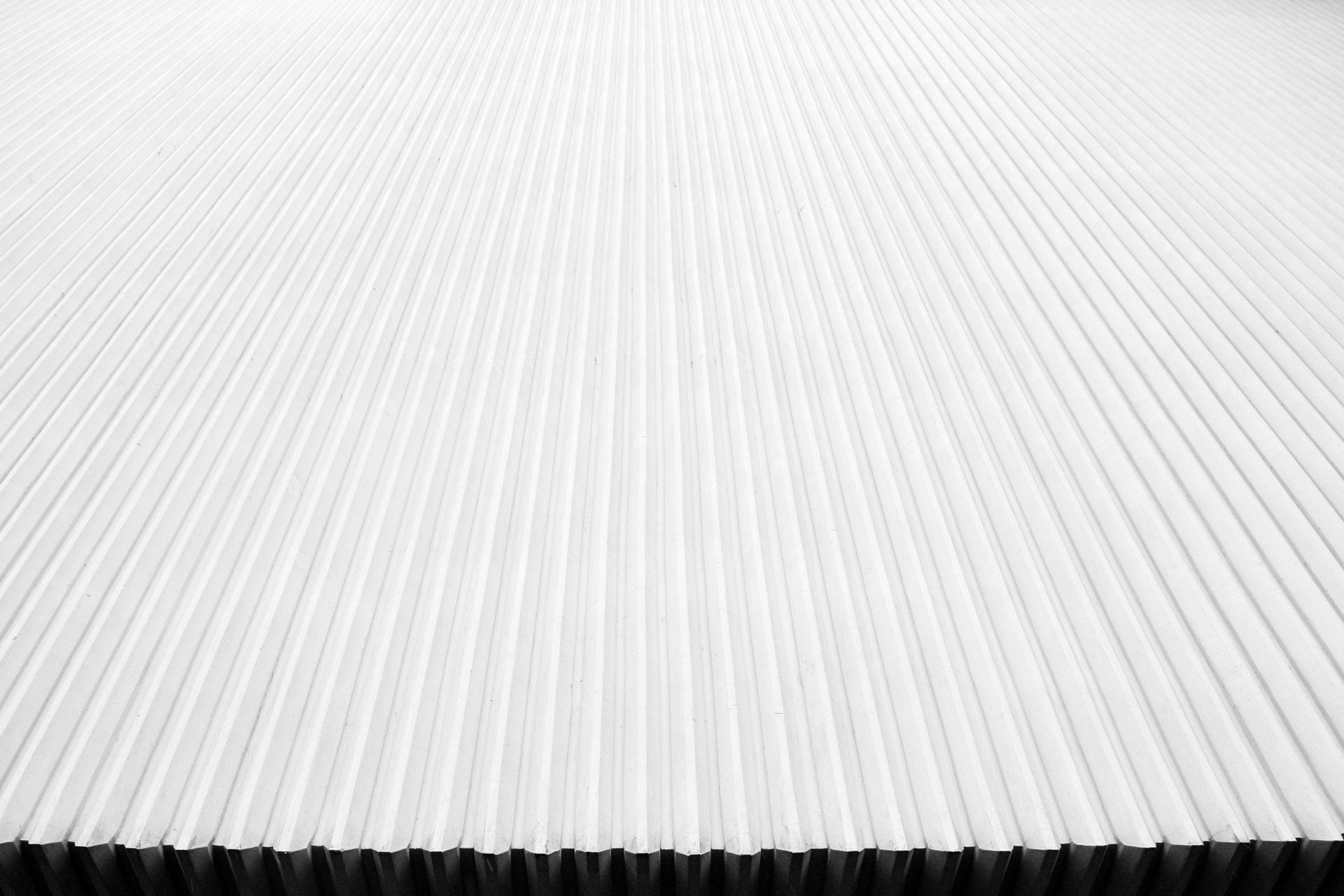
TPO is a single-ply membrane roofing system — a white or light-colored thermoplastic sheet, typically 45 to 80 mils thick, that is mechanically fastened or adhered to the roof deck and then heat-welded at seams to create a continuous watertight surface. The white reflective surface is one of its defining characteristics: TPO reflects solar radiation rather than absorbing it, which significantly reduces cooling loads on the building beneath — a meaningful advantage in Hot Springs where summer temperatures regularly hit the low 90s from June through September.
TPO is manufactured in rolls and installed by trained applicators using hot-air welding equipment at seams. The welds are as strong as or stronger than the membrane itself when done correctly — a properly welded TPO seam is essentially a single continuous sheet. This is what makes TPO a superior flat-roof system compared to built-up roofing (BUR) or EPDM rubber, both of which rely on adhesives or tape at seams that degrade over time. For pitched roof sections of the same home, see our complete roofing guide for what material decisions look like on steep-slope sections.
When Is TPO the Right Roofing System?
TPO is appropriate for any roof section with a pitch of 2:12 or less — meaning less than 2 inches of rise for every 12 inches of horizontal run. At these low pitches, water moves slowly and can pond. Asphalt shingles are designed for water that moves quickly down steep slopes — they're not appropriate for low-slope applications. Common applications in Hot Springs and Garland County include flat commercial roofs on retail and office buildings, low-slope sections on residential additions and rear roof extensions, flat garage roofs, covered porch and carport roofs with low pitch, and large flat sections on modern or contemporary residential designs.
Many Hot Springs homes have mixed-pitch roofs — a main steep-pitch section with shingles and a low-slope section over an addition or rear structure — where TPO is the correct specification for the low-pitch area. If you're unsure whether your low-slope section requires TPO or can be covered with modified bitumen or another system, call us at 501-701-8766 — we assess low-slope roofing as part of our standard inspection service. For a comparison of what TPO costs versus shingle and metal systems, see our roof replacement cost guide.
How TPO Performs in the Arkansas Climate
Heat and UV. TPO's white surface reflects 80 percent or more of incoming solar radiation. On a black EPDM or dark built-up roof, attic and interior temperatures can be 20 to 40 degrees higher on a hot Arkansas afternoon. The reflective benefit is particularly significant in Hot Springs, where commercial buildings and residential additions with flat roofs frequently have interior spaces directly below the membrane — a white TPO roof directly reduces cooling costs in these spaces.
Thermal cycling. TPO membranes are specifically formulated to handle thermal expansion and contraction without cracking or delaminating at seams. Arkansas's temperature range — from below freezing in winter ice events to above 100 degrees in summer — creates significant thermal movement in any roofing material. TPO's thermoplastic formulation remains flexible across this range, and heat-welded seams move with the membrane rather than failing under stress the way adhesive bonds can.
Ponding water. TPO is designed to be watertight even with standing water on the surface. Ponding is still undesirable — long-term ponding accelerates UV degradation and can stress the membrane at drain openings — but TPO handles occasional ponding far better than shingles or built-up roofing would in the same situation. If you have active ponding on a flat section, our maintenance guide covers what to check and when to call a professional.
TPO vs. EPDM: The Comparison That Matters Most
Most Hot Springs homeowners comparing flat roofing systems are choosing between TPO and EPDM (the black rubber membrane common on older flat roofs). TPO wins on energy efficiency — the white reflective surface significantly outperforms black EPDM in summer heat reduction. It also wins on seam durability — heat-welded TPO seams are more durable long-term than EPDM tape and adhesive seams. EPDM has some advantages in cold-temperature flexibility and has a longer track record in the market, though modern TPO formulations have largely closed that gap.
For new flat roofing installations in Hot Springs, we typically recommend TPO unless there's a specific reason to use another system. For existing EPDM systems that are performing well, replacement isn't necessary until the system reaches end of life. We'll give you an honest assessment of your existing system and recommend the right approach. If storm damage has affected your flat roof section, our storm damage guide covers how flat roof damage is documented and handled in insurance claims. Contact us here or call 501-701-8766.

Frequently Asked Questions
How long does TPO roofing last in Arkansas?
A quality TPO installation at 60 mil or above should last 20 to 30 years in the Arkansas climate with proper maintenance. The primary maintenance requirement is keeping drains clear, addressing any punctures promptly, and having seams inspected periodically.
What does TPO roofing cost in Hot Springs?
TPO installation runs $7 to $12 per square foot installed, depending on thickness, membrane grade, and project complexity. Drain locations, penetrations, and edge flashings add cost. We provide free written estimates for all flat roofing projects. Call 501-701-8766.
Can TPO be installed over an existing flat roof?
In some cases yes — if the existing substrate is structurally sound and properly attached, new TPO can be installed over it. This eliminates tear-off cost but requires careful assessment. We evaluate this on a case-by-case basis.
How does TPO handle Arkansas hail?
TPO handles small to moderate hail without functional damage. Large hail — golf ball size and above — can puncture thinner membranes. For areas with frequent large hail, 60 mil or heavier is the right specification. Our hail season guide
covers how to document and assess post-hail damage on all roofing types including flat systems.
Do you install TPO on commercial buildings in Hot Springs?
Yes — we install TPO on both residential and commercial properties throughout Hot Springs, Hot Springs Village, and central Arkansas. See our full commercial and residential roofing services.
We serve Hot Springs, Hot Springs Village, Malvern, Benton, Bryant, Jessieville, and surrounding areas. Call 501-701-8766 for a free estimate — 7 days a week.
Speedy Gonzalez Roofing is a licensed roofing contractor serving Hot Springs AR and central Arkansas. We specialize in roof repairs , shingle roofing , metal roofing , TPO roofing , gutters , siding, hail damage , and storm damage repair. AR Roof License RR0540931024. Free estimates. No payment until the job is done.