How to Find a Leak in a Metal Roof: A Hot Springs Homeowner's Guide
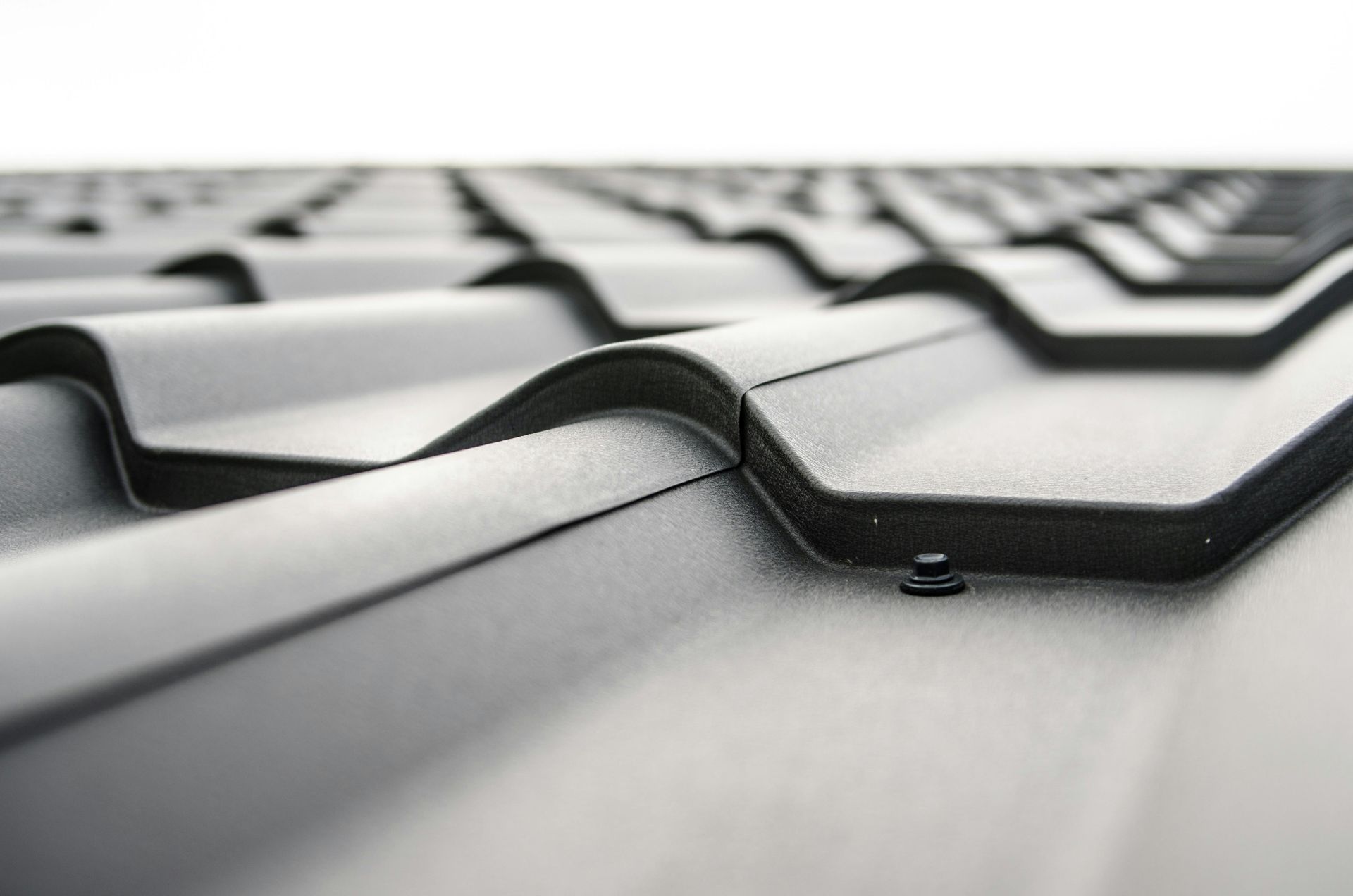
Metal roof leaks are different from shingle roof leaks. On a metal roof, the leak source is almost always at a joint, fastener, flashing, or penetration — the panel material itself rarely fails. Understanding this distinction is the key to finding the source correctly and knowing when the problem is manageable versus when it's time to call a professional.
We've been repairing metal roofs in Hot Springs, Hot Springs Village, and Malvern for over 20 years. This guide covers where leaks actually originate, how to track them down, and when to repair versus replace. For a broader look at metal roofing costs, lifespan, and performance in Arkansas, see our complete metal roofing guide.
Where Metal Roof Leaks Actually Come From
Fastener points. On exposed fastener systems, each fastener penetrates the metal panel and relies on a rubber or neoprene washer to create a watertight seal. In Arkansas's climate, where surface temperatures swing 80-plus degrees between winter nights and summer afternoons, the rubber seals on exposed fasteners can deteriorate within 10 to 15 years. Look for rust staining below fastener locations on the panel surface — that's a clear sign the seal has failed.
Flashing at penetrations and transitions. Every pipe, vent, skylight, and chimney that penetrates the metal roof requires flashing. In Hot Springs, where summer attic temperatures routinely exceed 120 to 140 degrees at flashing locations, degradation happens faster than in cooler climates. Flashing issues are also one of the primary things we assess in our free roof inspections.
Ridge cap and panel laps. The ridge cap overlaps both sides of the roof peak and is sealed with butyl tape or sealant during installation. Over time, thermal movement can open these seams if sealant has hardened and lost adhesion. Our seasonal maintenance guide covers when to have these seals inspected proactively.
How to Find the Leak Source
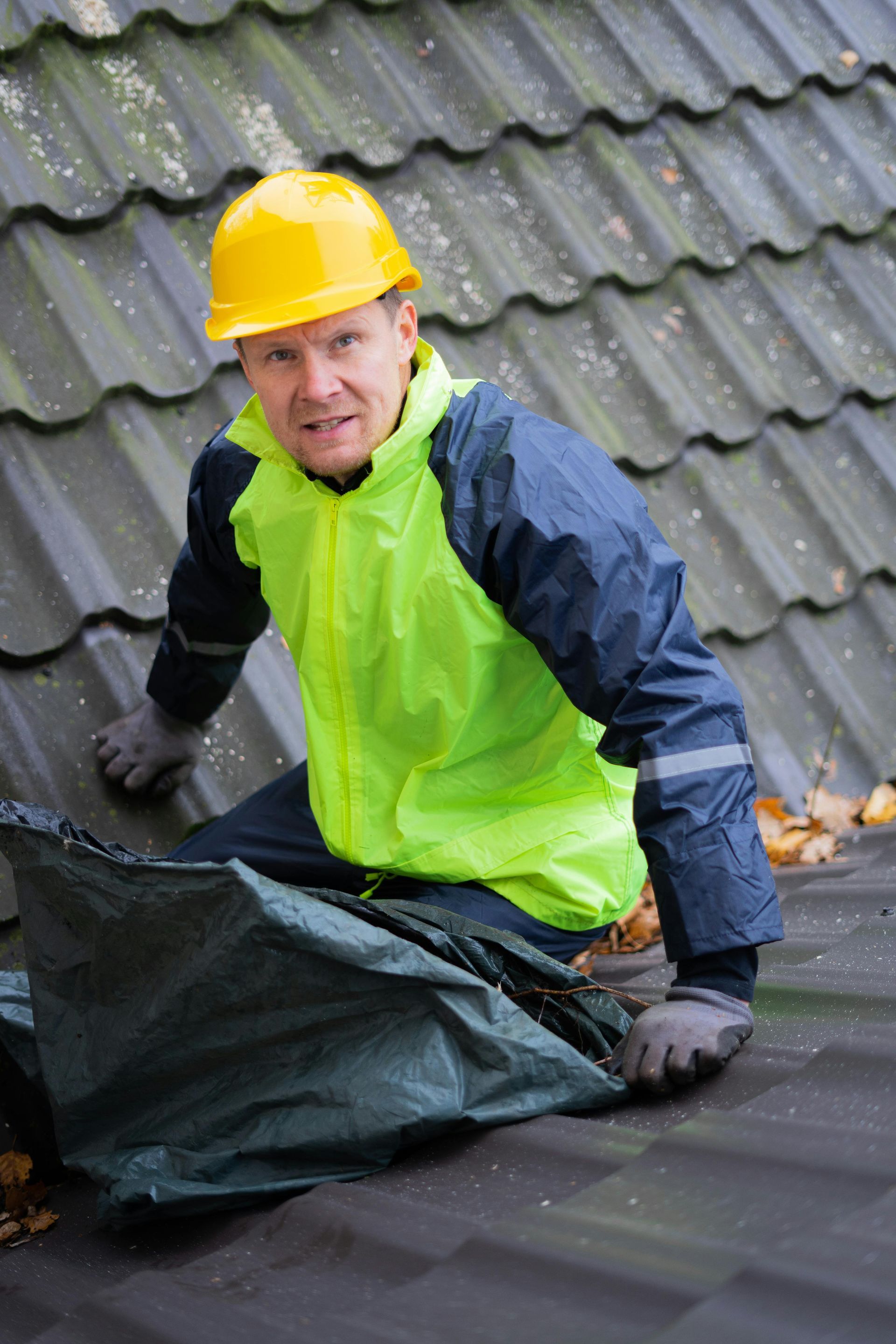
Finding a metal roof leak from inside the building is often misleading because water travels before it drips. The right approach: work from outside the roof, in daylight after a dry period, starting at the highest potential source above where the leak appears inside. Water always moves downhill — the source is always at or above where it shows up inside.
Inspect fasteners first on exposed fastener systems. Look for tilted fasteners, washers showing visible cracking, and rust staining below fastener points. Then check all sealant locations — around pipe boots, along flashing edges, at ridge cap overlaps. If you've recently had a significant storm, our storm damage guide covers what storm-related metal roof damage looks like specifically.
Important: We strongly advise against getting on a metal roof without proper footwear and safety equipment. Metal panels are slippery, especially when there's any moisture or algae present. Call us for a free inspection at 501-701-8766.
Repair vs. Replace: How to Know
Most metal roof leaks are repairable without full replacement. Fastener washer replacement, sealant refresh, flashing repair, and pipe boot replacement are routine maintenance items that extend a metal roof's life significantly. If your metal roof is less than 25 to 30 years old and the panel material itself is in good condition, repair is almost always the right approach.
Replacement becomes the conversation when panels have corroded through or when an exposed fastener system has degraded so broadly that comprehensive repair is impractical. For full replacement cost comparison on metal vs. shingle systems, see our roof replacement cost guide. And if you've been considering upgrading to a standing seam system that eliminates exposed fasteners entirely, our metal roofing overview explains the difference.
Frequently Asked Questions
Can I temporarily stop a metal roof leak myself?
Roofing tape — specifically butyl-backed aluminum tape designed for metal roofing — can serve as a temporary patch on a small area of panel damage or an open seam. Don't use standard duct tape or caulk as a patch on a metal roof.
How much does a metal roof repair cost in Hot Springs?
Minor repairs typically run $200 to $600. Flashing repairs run $300 to $800. We provide free written estimates before any work begins.
My metal roof is 15 years old — should I have it inspected?
Yes. At 15 years in the Arkansas climate, fastener seals and pipe boot rubber are approaching end of service life on many systems. We offer free inspections
for Hot Springs area homeowners.
We serve Hot Springs, Hot Springs Village, Malvern, Benton, Bryant, Jessieville, and surrounding areas. Call 501-701-8766 for a free estimate — 7 days a week.
Speedy Gonzalez Roofing is a licensed roofing contractor serving Hot Springs AR and central Arkansas. We specialize in roof repairs , shingle roofing , metal roofing , TPO roofing , gutters , siding, hail damage , and storm damage repair. AR Roof License RR0540931024. Free estimates. No payment until the job is done.